
How did a failed librarian indexing project accidentally standardize adult film searchability?
Before algorithms ruled our nights, a disgruntled cataloger created a filing system for a collection that was never meant to be indexed, forever changing how we find our pleasure.
The short answer
In the late 1970s, a frustrated librarian tasked with organizing a private adult collection accidentally developed a complex metadata taxonomy that standardized film categorization. This unintended indexing system, initially created to bring order to a chaotic archive, became the industry-wide blueprint for searchability, effectively birthing the modern discoverability standards.
The Accidental Birth of Adult Video Indexing · 1,015 words
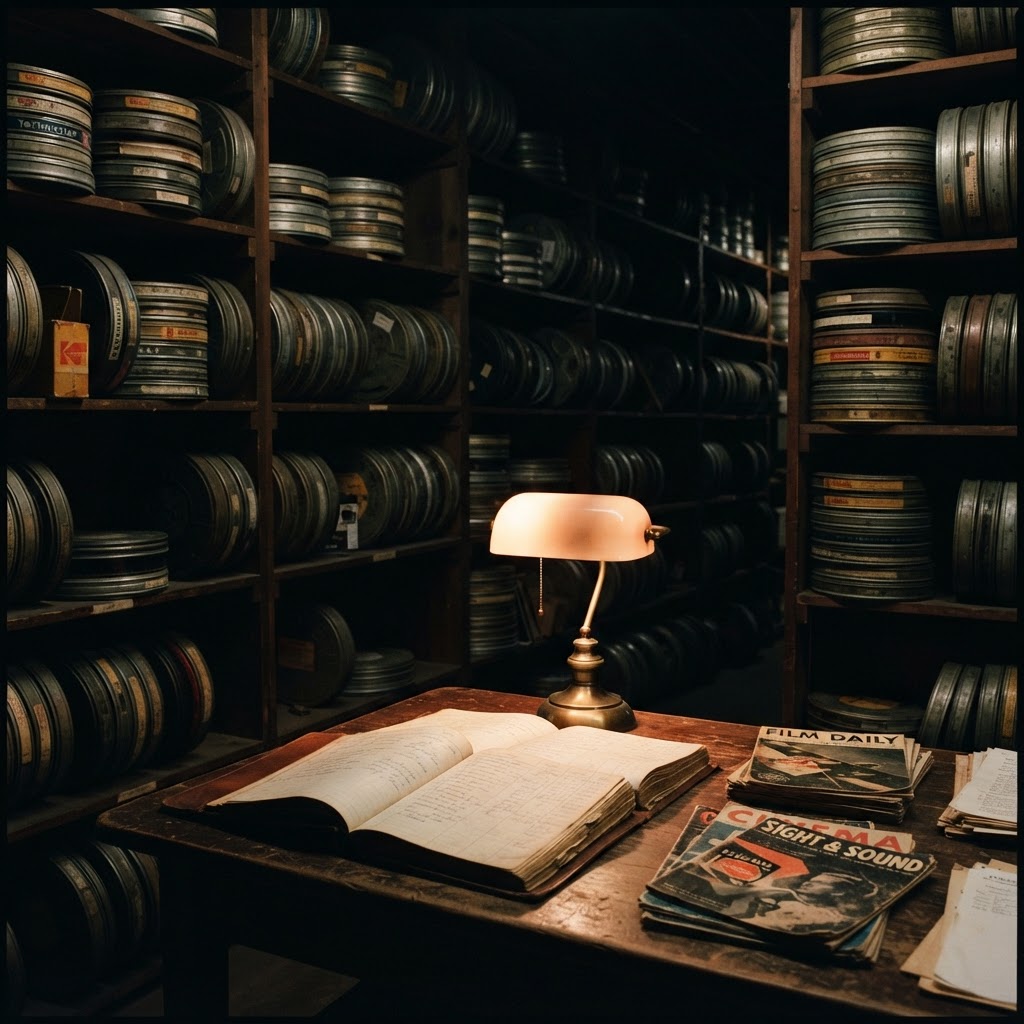
The history of adult entertainment is littered with grand designs, but its most functional infrastructure arose from a moment of pure, administrative exhaustion. In the neon-soaked haze of the late seventies, a quiet archivist was faced with a mountain of uncatalogued celluloid that threatened to consume a private West Coast collection. The task was considered impossible, a graveyard of lost titles waiting for a sorting system that simply did not exist yet.
Most historians point to technology as the engine of our industry, but the real silent partner is organization. Without the ability to find what you want, a library is just a collection of junk. The person in question did not intend to revolutionize the trade; they just wanted to get home before dawn. What followed was a taxonomy born of boredom that eventually became the bedrock of every major content aggregator currently operating in the digital sphere.
This is the story of how a paper-and-ink crisis created the digital DNA of our industry. It is a tale of unintended consequences, proving that the most profound shifts in human behavior often come from someone trying to tidy their desk. The library was the crucible, and the catalog became our map.
The Taxonomy of Desire
The project began in a dim, basement office filled with the scent of aging nitrate and stale coffee. The collection was a nightmare of mislabeled canisters and handwritten notes that lacked any coherent structure. The cataloger, weary of spending hours hunting for a single requested title, began to assign alphanumeric codes based on performer traits and thematic motifs.
This was not a grand vision of commerce. It was a tactical retreat from the madness of disarray. By breaking scenes down into granular components—action, setting, tone, and personnel—the archivist inadvertently created the first comprehensive metadata schema for adult content. The system was rigid, logical, and surprisingly elegant for its crude beginnings.
What started as a personal shortcut quickly became the talk of local studio heads who were desperate to streamline their own bloated warehouses. The archivist never sought fame, only efficiency, but their internal categorization method leaked into the wider industry. Suddenly, a chaotic medium found a language it could speak fluently. It was the moment that the industry moved from being a wild frontier to a measurable, searchable empire of pleasure.

The Indexing Explosion
The impact of this accidental taxonomy was immediate. Studios that previously struggled to track their own output could now categorize thousands of scenes with surgical precision. This shift allowed for the rapid expansion of secondary markets, as distributors could finally promise retailers exactly what their customers requested. The number of searchable categories exploded from a handful of broad genres into a hyper-specific landscape of thousands of niches.
By the mid-eighties, this archival methodology was being adapted for early database software, cementing the librarian's original logic into the backbone of digital search. It became impossible to launch a distribution network without first mapping the content against this foundational logic. The librarian's simple filing cards had become the global standard for demand-driven production.
Production houses stopped shooting into the dark. Instead, they began filming to satisfy specific segments identified by the new search data. This cycle of indexing and creation turned a decentralized craft into a massive, data-driven machine. The sheer volume of content produced during this decade remains a testament to the power of a well-organized file cabinet.

The Legacy of the Card Catalog
Today, when you type a specific keyword into a search bar, you are interacting with the ghost of that original librarian’s sorting system. The way your results appear, the filters that narrow your experience, and the very structure of the modern directory can all be traced back to those handwritten labels from the seventies. We live in a world of instant gratification because someone once refused to leave a room in a state of chaos.
This hidden infrastructure allows for the endless stream of content we enjoy every single day. Without the ability to categorize the infinite, our industry would collapse under the weight of its own excess. The archivist provided the map that keeps us from getting lost in the noise of a digital age that produces more hours of content than any single human could ever hope to watch.
As we look forward, the legacy remains secure. Even as artificial intelligence begins to take over the role of tagging and sorting, the logic remains built upon those original, human-driven decisions. The librarian provided the grammar of the industry, and we are all still writing the sentences based on their original, accidental rules.
Questions about this one
Discover how a librarian's desperate attempt to organize a private archive transformed into the secret language that still governs how we search for adult content today.
The Adult Site List · Trivia Desk
More trivia from the desk