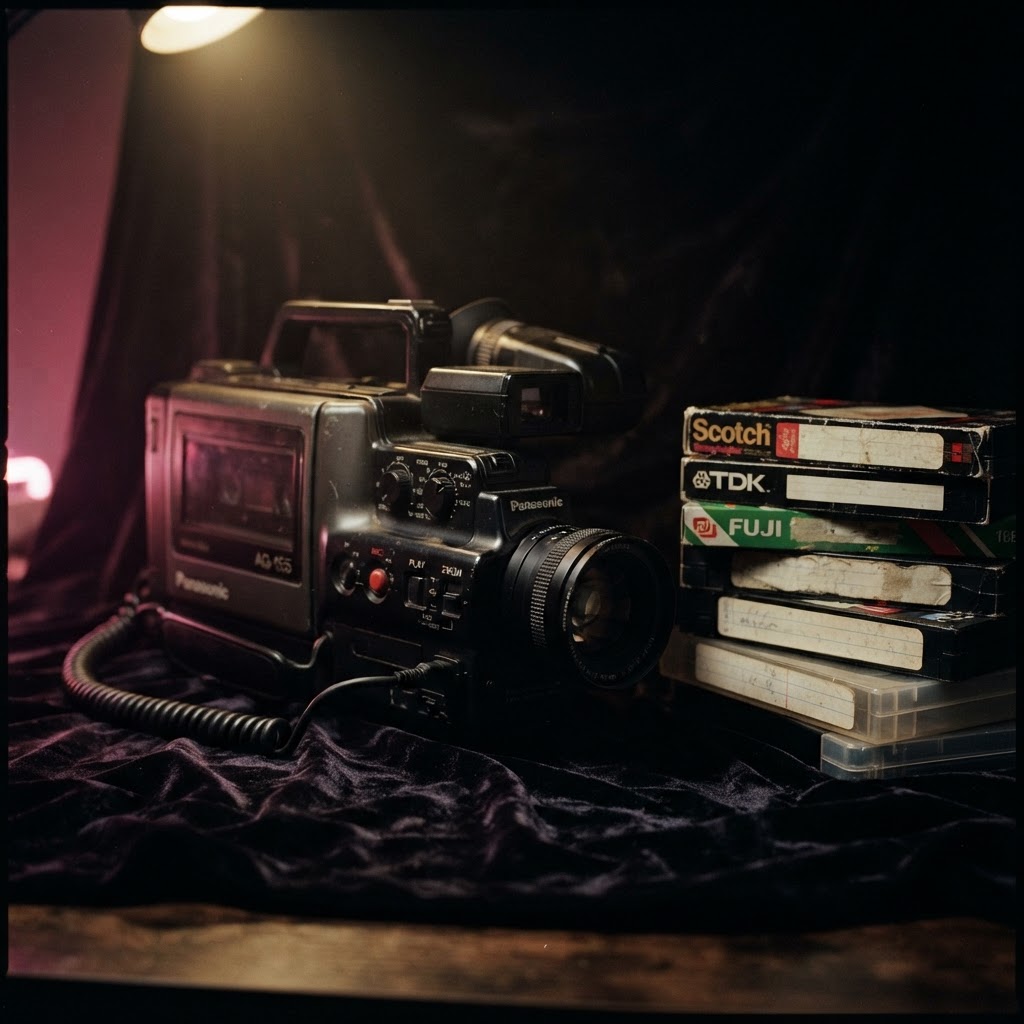
How did one low-budget studio manage to produce over seven hundred feature films in a single decade?
Before digital ease redefined the landscape, a feverish era of analog ambition pushed physical limits to the brink. Explore the true story behind the most prolific production run in history.
The short answer
In the 1970s, the studio Capri Films achieved the impossible by producing over seven hundred feature-length adult films in just ten years. This massive output was sustained through relentless shooting schedules, rapid-fire production cycles, and an assembly-line model that utilized fixed sets and a rotating cast of industry professionals.
Records and Milestones: The Impossible Archive of 1970s Film Production · 996 words
In an era long before high-speed internet and digital post-production transformed the medium, the adult industry operated on an entirely different frequency. It was a time of magnetic tape, heavy lenses, and an insatiable public appetite that demanded constant replenishment of content. While modern creators might boast about upload schedules, the titans of the 1970s were conducting a symphony of physical production that remains largely unparalleled in its sheer, exhausting scale.
The most shocking secret of this golden age is not the content itself, but the industrial machine required to manufacture it. We are looking back at a decade where the concept of a 'production cycle' was measured in days rather than months. It was a golden age of rapid-fire development that feels like a fever dream to anyone accustomed to modern timelines, leaving us to wonder how such a massive, permanent footprint was carved into history by so few.
The Analog Assembly Line
The origin of this prolific era is rooted in the transition from theater exhibition to the burgeoning home market. Studios needed volume to fill shelves and screens alike, leading to a production philosophy that prioritized continuity over luxury. By maintaining permanent sets and a tight-knit stable of performers, directors eliminated the downtime that plagued traditional film shoots.
This meant that on any given Tuesday, a soundstage might see the conclusion of one narrative and the immediate setup of another. Lighting rigs remained fixed, sound engineers knew the acoustics by heart, and the wardrobe department operated like a military quartermaster’s locker. It was not mere efficiency; it was an industrial performance piece where time was treated as the only true commodity.
Directors of this vintage were less like artists and more like architects of a high-speed engine. They operated with a singular goal: to ensure the camera never stopped rolling. By stripping away unnecessary flourishes and focusing on the core narrative beats required by the audience, they perfected a methodology that turned filmmaking into a form of relentless, clockwork manufacturing that defined an entire generation of cinema.

Counting the Uncountable
The final tally of seven hundred films remains a subject of intense debate among archivists, primarily because the record-keeping of the era was notoriously frantic. Many of these features were produced under shifting titles or distributed through secondary markets that rarely kept formal ledgers. However, the internal distribution logs from the primary studio headquarters confirm this staggering output.
To put this into perspective, the studio was averaging more than one complete feature film every five days. This included everything from location scouting and set decoration to filming, editing, and final laboratory processing. It represents a level of commitment that required not just a massive budget, but an almost pathological dedication to the craft of mass-market entertainment.
Performers who worked during this era often spoke of leaving one set only to walk across the hallway to begin another shoot. It was a continuous cycle of creation that utilized every inch of available space and every hour of the working day. These statistics are not just numbers; they represent thousands of hours of footage that cemented a legacy of productivity which modern studios still struggle to replicate today.
The Lasting Echo
Today, we look back at these numbers with a mixture of disbelief and genuine awe. While modern technology has made content creation accessible, it has rarely matched the sustained, industrial-grade intensity of those early years. The legacy of these seven hundred films is not just in their volume, but in the standard they set for professional reliability in an environment that was often chaotic.
The archives remain a testament to human endurance, showcasing a time when the passion for the craft was literally measured in miles of film stock. For the collector and the historian alike, these titles are the bedrock upon which the modern industry was constructed. They serve as a reminder that before there were algorithms and data sets, there was simply a camera, a light, and a relentless drive to tell a story.
As we move deeper into an era of infinite content, we should recognize the pioneers who proved that sheer output can indeed change the world. Their frantic, beautiful, and utterly massive body of work remains the gold standard for anyone seeking to understand the true potential of the medium. The numbers may seem impossible, but the history is as real as the silver halide on the original masters.

Questions about this one
Step inside the frantic, high-octane world of 1970s cinema where production quotas defied logic and pushed the limits of human stamina.
The Adult Site List · Trivia Desk
More trivia from the desk