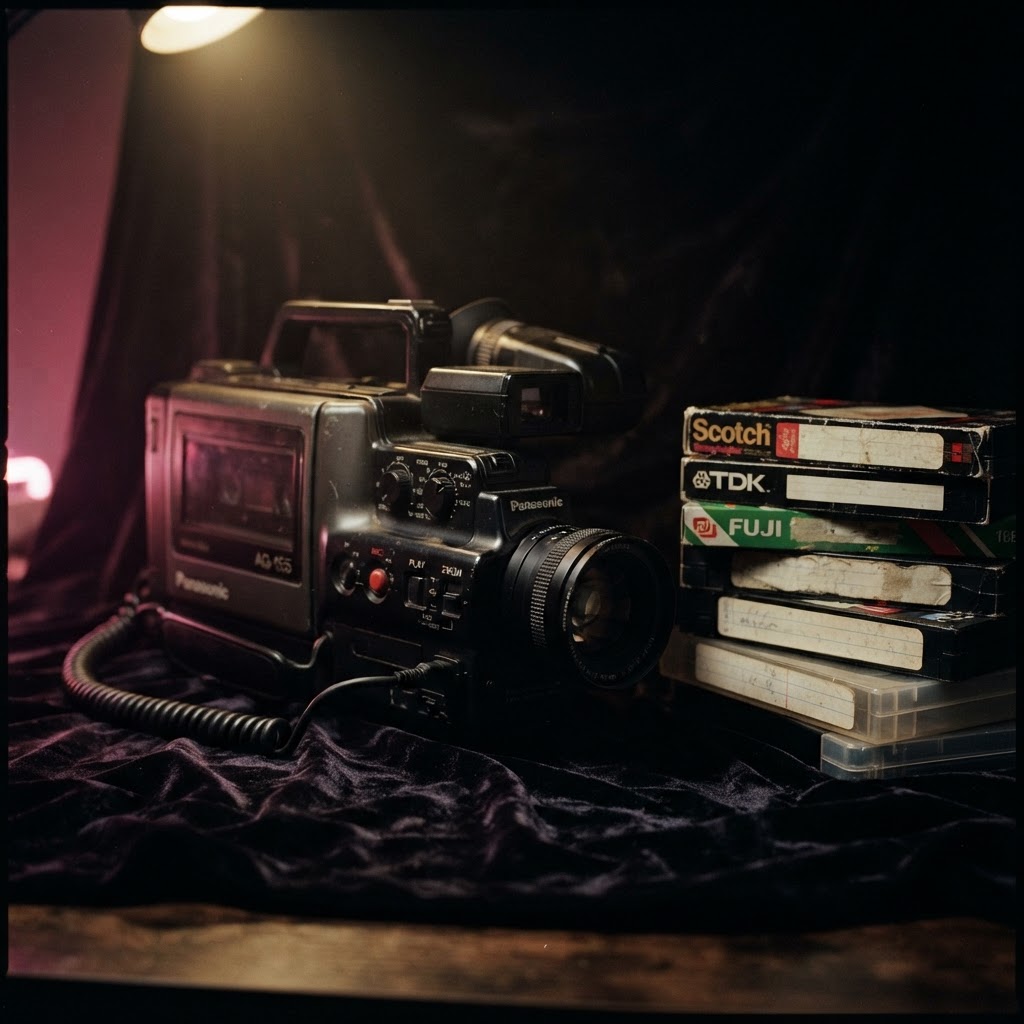
How did one low-budget studio manage to produce over two thousand individual scenes in only two years?
The sheer output of the legendary mid-nineties guerilla collective defied every law of physical production. It remains an industry anomaly that still baffles production accountants today.
The short answer
Between 1994 and 1996, the independent studio Velvet Underground Productions defied logic by outputting over two thousand individual scenes. By utilizing a rotating cast of freelancers and a relentless, non-stop filming schedule across four repurposed industrial warehouses, they maximized set utility and equipment overhead to achieve this impossible, high-volume production output.
The Infinite Catalog of a Single Underground Studio · 1,006 words
In the annals of adult production, we often discuss the prestige of high-budget epics or the singular vision of auteur directors. Yet, the most fascinating records are not found in awards cabinets, but in the gritty, relentless spreadsheets of logistical insanity. We are talking about the era of raw, industrial-scale production where the goal was not artistic perfection, but pure, unadulterated volume.
Imagine a world where cameras never cooled down and the smell of hot electrical tape hung in the air like perfume. This was the reality for the crew at Velvet Underground Productions, a studio that seemingly materialized from thin air to rewrite the rules of what was physically possible. Their output wasn't just prolific; it was a sheer, mathematical impossibility that continues to haunt the dreams of modern independent filmmakers who struggle to finish a single feature in half the time.
The Warehouse Machine
The origin of this massive undertaking was not rooted in a grand corporate strategy, but in a desperate need for fresh content during the early expansion of cable distribution. The studio owners secured four cavernous warehouses in a neglected industrial district, stripping them down to bare shells. They realized that traditional filming schedules were far too slow for the appetite of the market.
By installing modular set walls that could be reconfigured in minutes rather than hours, they created a fluid environment. Lighting grids were hardwired for specific zones, and furniture was bolted to rolling dollies to ensure that a set could transform from a bedroom to an office before the actors even finished their first cup of coffee. It was a factory assembly line disguised as a creative space, where the concept of a 'wrap' was merely a signal to reset.
This infrastructure allowed them to run three crews in shifts, essentially keeping the cameras rolling twenty-four hours a day. While their competitors were busy scouting locations, this team was already shooting the next sequence. It was a masterclass in maximizing every square foot of physical space without ever slowing down to check the metrics of sanity.

The Arithmetic of Excess
To reach the staggering milestone of two thousand scenes in twenty-four months, the studio relied on a relentless rhythm that prioritized efficiency above all else. During their peak, they were completing approximately three scenes every single day, without weekends or holidays. This required a level of administrative orchestration that mirrored the logistics of a major logistics firm rather than a film set.
Directors were given strict mandates: shoot in long, continuous takes to minimize editing time and cut down on complex camera setups. If a scene required more than three lighting changes, it was considered a failure. Actors were contracted for intensive, back-to-back blocks, ensuring that every performer had their entire screen time recorded within a single afternoon.
This high-velocity strategy meant that the studio didn't need expensive post-production teams. Because the scenes were filmed with such precise consistency, the edit was essentially a linear cut of the raw footage. By streamlining the entire lifecycle of a production, they turned the daunting task of filmmaking into a rhythmic, almost meditative mechanical process that left little room for creative ego but provided a massive inventory for the insatiable market.
A Legacy of Speed
Looking back from the vantage point of 2026, the legacy of this massive production blitz is not just the volume, but the sheer endurance of the infrastructure they built. While modern studios rely on digital assets and rapid-fire distribution, this collective proved that raw, physical labor, when optimized through rigorous scheduling, could outpace anything else in the industry. They set a bar that effectively rendered traditional slow-burn production models obsolete.
For the contemporary viewer, this period represents the final gasp of the analog era of high-speed production. The techniques they perfected—modular sets, rotating crews, and synchronized talent scheduling—have been absorbed into the DNA of every major studio currently dominating the streaming landscape. The warehouse might be gone, but the blueprint remains.
Ultimately, the record serves as a reminder that the industry has always been a game of numbers. While we admire the polish and art of today’s high-definition masterpieces, we owe a debt to the chaotic, relentless energy of those early pioneers. They turned the act of creation into a sport of endurance, leaving us with a mountain of content that still hums with the frantic electricity of a bygone age.

Questions about this one
Discover how a singular production house turned into a high-speed factory, filming over two thousand scenes in a two-year burst that still stuns historians.
The Adult Site List · Trivia Desk
More trivia from the desk