
How did the invention of the DVD change the adult film industry forever?
Before streaming clouds, physical media held the power. We revisit the shiny disc that turned every living room into a private screening chamber.
The short answer
The DVD revolutionized adult media by providing superior image quality, interactive menus, and durable storage that surpassed VHS. Its compact size and massive data capacity allowed producers to include multiple scenes and language options, creating a more professional home experience that directly fueled an unprecedented industry growth period throughout the early 2000s.
The Optical Disc Revolution That Democratized Digital Desire · 912 words
For a generation defined by the flick of a switch, the jump from analog tape to digital disc remains the most seismic shift in private entertainment. Before the high-definition era of instant access, the industry relied on clunky, degrading magnetic ribbons that frayed at the seams after just a dozen viewings.
The introduction of the digital versatile disc was a quiet coup. It didn't just offer a cleaner image; it brought a sense of legitimacy to the private library. Suddenly, the aesthetic of the experience caught up with the content itself, transforming the act of curation into something sophisticated and lasting.
The Silicon Savior
The origins of the disc lie in a cold war between computing giants aiming to replace the fragile VHS cassette. While most consumers looked for cinematic blockbusters, the adult industry was the first to recognize the inherent advantages of the format. With a massive capacity for data, the disc meant that scenes could be indexed, navigated, and repeated without the tedious mechanical winding required by tape.
Producers immediately embraced the lack of tracking issues that plagued older formats. The clarity provided by digital encoding meant that every detail was preserved, from the lighting setups to the intricate costumes. It was an instant upgrade in production value without necessarily requiring a larger budget. Studios that were once viewed as niche operations found themselves capable of delivering a product that mirrored the quality of mainstream studio releases.
This shift forced a rapid evolution in technical standards. Editors began layering menus with professional features, giving consumers a sense of control and participation. The barrier to entry for high-quality production lowered significantly as digital editing software became compatible with the format. It was a technological marriage of convenience and ambition that forever altered the landscape.
A Gold Rush on Plastic
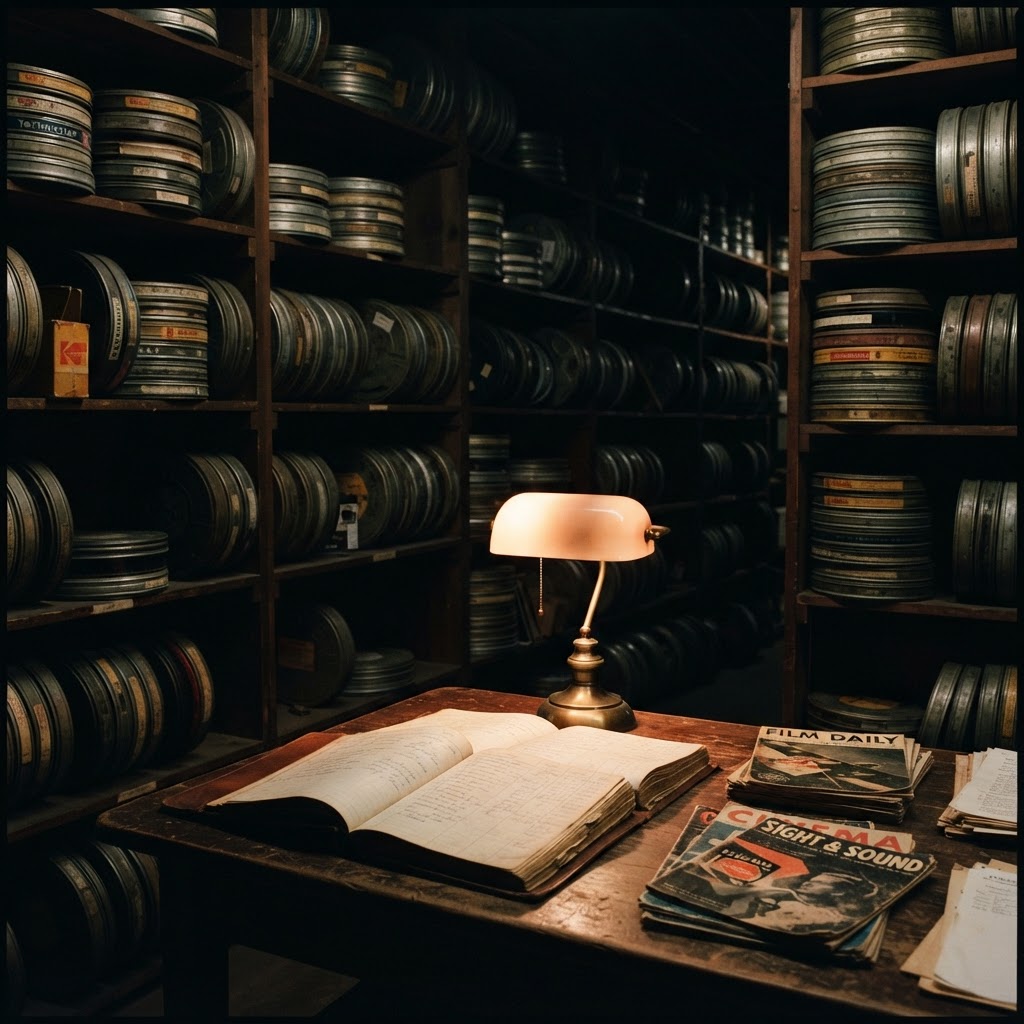
By the turn of the millennium, the sales figures for optical media were staggering. Retailers who had once hidden adult material in dusty back rooms were suddenly dedicating entire aisles to the new shiny format. The disc had turned a once-hushed industry into a titan of home retail. It was the golden age of the physical collection, where shelf space became a status symbol for enthusiasts everywhere.
Studios invested heavily in regional distribution, realizing that the portability of the disc made it a global commodity. Because the files were compressed so efficiently, they could pack dozens of hours onto a single shelf. This encouraged consumers to buy in bulk, turning occasional viewers into dedicated collectors. The industry saw its annual output swell as producers leveraged the ability to produce high-margin special editions.
This growth cycle was unprecedented. Independent creators found they could reach an international audience without the gatekeeping of traditional video distributors. The ease of mailing these lightweight discs further cemented their dominance. It was a period of extreme profitability where the tech finally caught up with the public's insatiable appetite for high-quality content.

The Enduring Legacy
While we now live in an era of ephemeral cloud storage, the impact of the disc remains etched in our culture. It forced the industry to adopt professional standards that endure even as delivery shifts toward bytes and bandwidth. The focus on menu design, chapter selection, and audio options began with the disc, setting a baseline for user expectations that persists to this day.
Collectors today still treasure these relics for their tangible history. There is a weight and permanence to a physical library that a streaming algorithm simply cannot replicate. In a world of fleeting connections, the ability to pull a specific disc from a shelf and experience it as intended by the director provides a grounding, tactile link to the past.
As we look forward, the lessons from the disc era continue to inform modern production. The shift didn't just change the medium; it changed the mindset of the creator. It proved that quality matters as much as accessibility. We have moved toward instant gratification, yet the standards for excellence established during the disc era remain the benchmark by which all contemporary work is still measured.

Questions about this one
The shift from magnetic tape to optical discs did more than improve clarity; it fundamentally altered how adult films were produced, sold, and collected.
The Adult Site List · Trivia Desk
More trivia from the desk